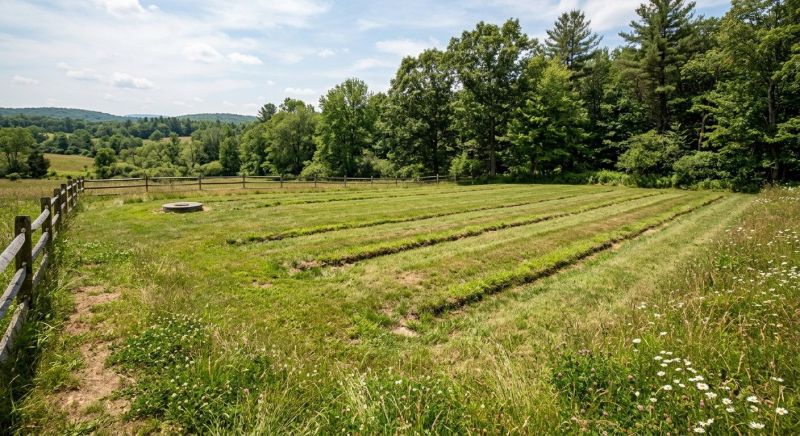
Septic Field Installation in Denver, CO
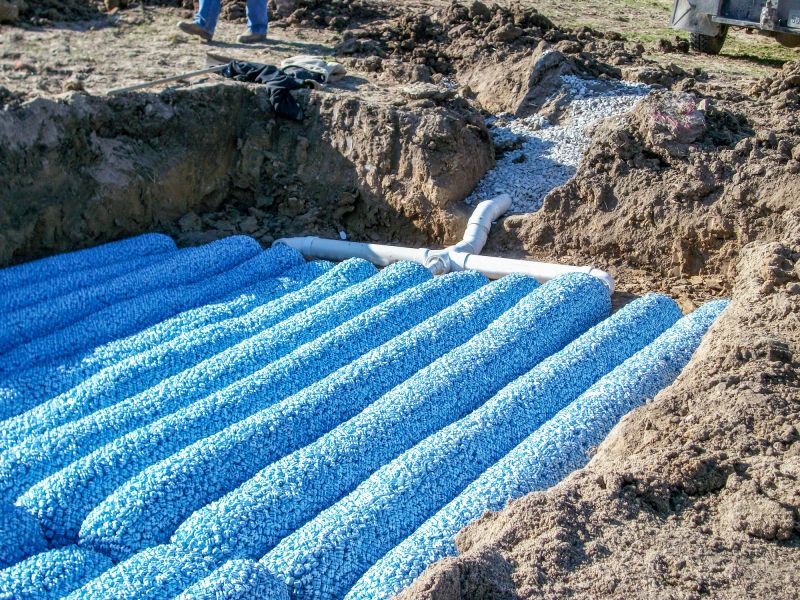
Septic field installation is a key component of on-site wastewater management for homes that are not connected to municipal sewer systems. This service involves designing and installing a septic drain field, which is a network of underground pipes and soil absorption areas that safely treat and disperse household wastewater. Property owners typically seek this service when building a new home, replacing an outdated system, or expanding a property’s capacity to handle increased wastewater flow. Understanding the size, layout, and soil conditions of the property is essential before requesting installation, as these factors influence the design and placement of the septic field.
Homeowners should consider the location of the septic system in relation to wells, property lines, and other structures to ensure compliance with local regulations and to prevent future issues. Proper site assessment and planning are crucial to ensure the longevity and effectiveness of the septic system. It is also important to understand the basic maintenance requirements and restrictions, such as avoiding heavy vehicles on the drain field or planting deep-rooted trees nearby, to preserve the system’s integrity over time.
Many property owners in Denver, CO look into Septic Field Installation for repairs, replacements, upgrades, and appearance-related improvements.
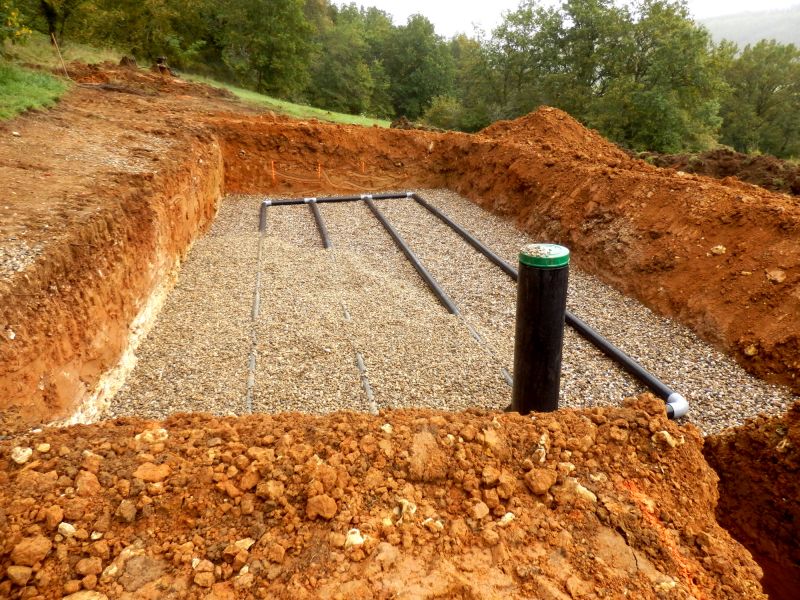
Septic Field Design And Planning
Proper design ensures efficient wastewater treatment and long-term system performance.
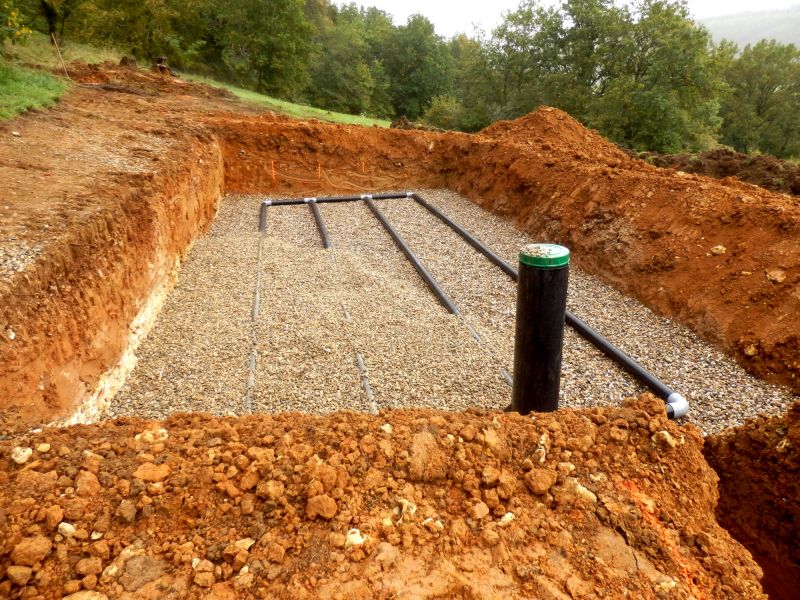
Septic System Installation
Installation involves careful site assessment and expert placement to meet local codes and property needs.
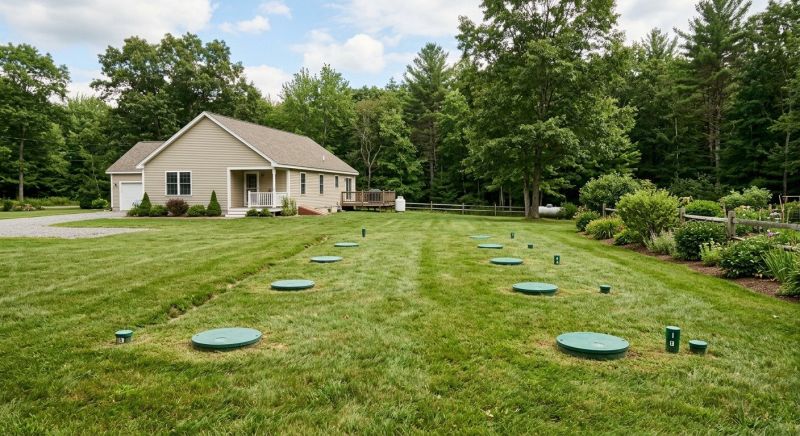
Septic System Maintenance And Repair
Regular maintenance helps prevent issues and extends the lifespan of septic field systems in denver and nearby areas.
Septic Field Installation in Denver, CO
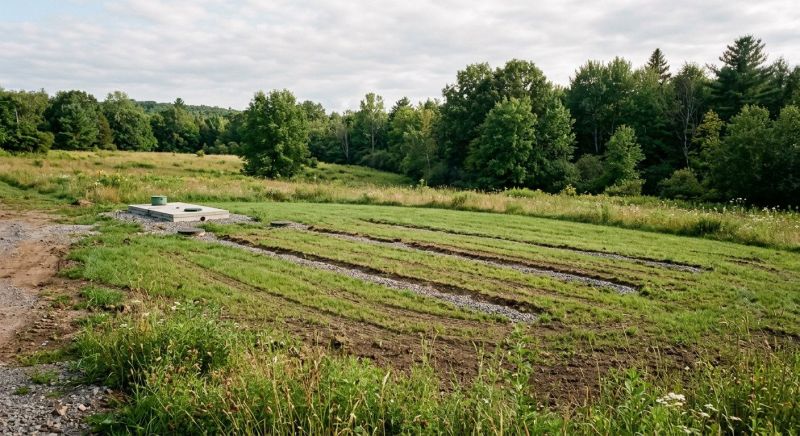
Septic field installation is a key component of on-site wastewater management for homes that are not connected to municipal sewer systems. This service involves designing and installing a septic drain field, which is a network of underground pipes and soil absorption areas that safely treat and disperse household wastewater. Property owners typically seek this service when building a new home, replacing an outdated system, or expanding a property’s capacity to handle increased wastewater flow. Understanding the size, layout, and soil conditions of the property is essential before requesting installation, as these factors influence the design and placement of the septic field.
Homeowners should consider the location of the septic system in relation to wells, property lines, and other structures to ensure compliance with local regulations and to prevent future issues. Proper site assessment and planning are crucial to ensure the longevity and effectiveness of the septic system. It is also important to understand the basic maintenance requirements and restrictions, such as avoiding heavy vehicles on the drain field or planting deep-rooted trees nearby, to preserve the system’s integrity over time.
Many property owners in Denver, CO look into Septic Field Installation for repairs, replacements, upgrades, and appearance-related improvements.
Common Septic Field Installation Jobs
Septic Field Design - tailored plans ensure proper drainage and system longevity.
Septic System Installation - professional setup for reliable waste management.
Drain Field Excavation - precise trenching to accommodate septic lines.
Soil Testing - assessment to determine the best location for the drain field.
Septic System Repair - fixing issues to restore proper function and prevent backups.
Septic System Replacement - upgrading outdated systems for improved performance.
Septic Field Installation Questions
What is a septic field? A septic field is an underground system that treats and disperses wastewater from a property’s septic tank into the soil.
How do I know if my property needs a new septic field? Signs include persistent odors, standing water, or backups in plumbing fixtures, indicating potential issues with the existing system.
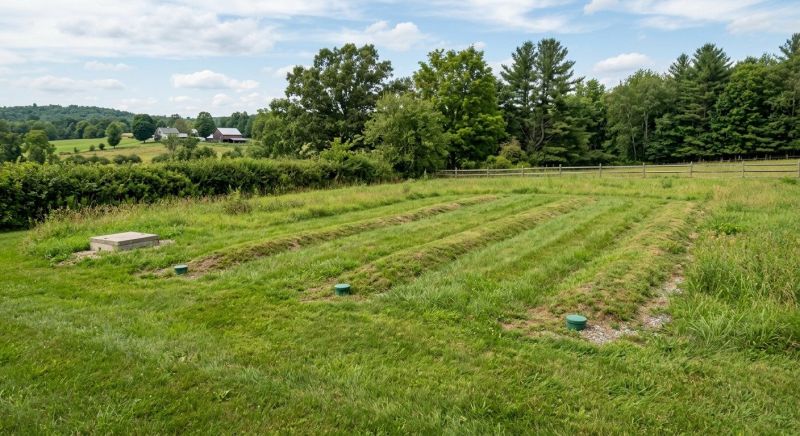
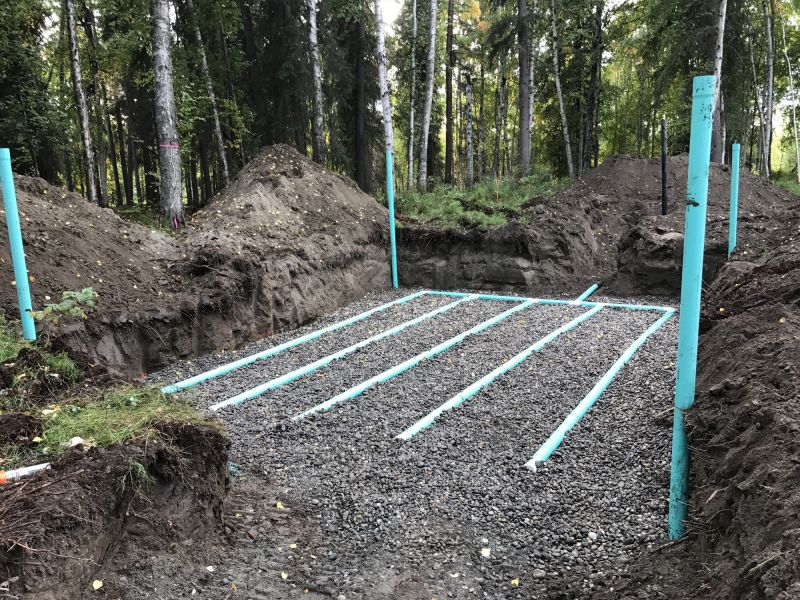
What types of septic fields are available? Common options include traditional gravel and pipe systems, as well as alternative methods like mound systems, depending on site conditions.
What factors influence septic field installation? Soil type, property size, and local regulations are key factors that determine the most suitable septic field design and placement.
Request Septic Field Installation in Denver, CO
Use the quote form on this page to share the basics of your project and request more information for the type of work you need.